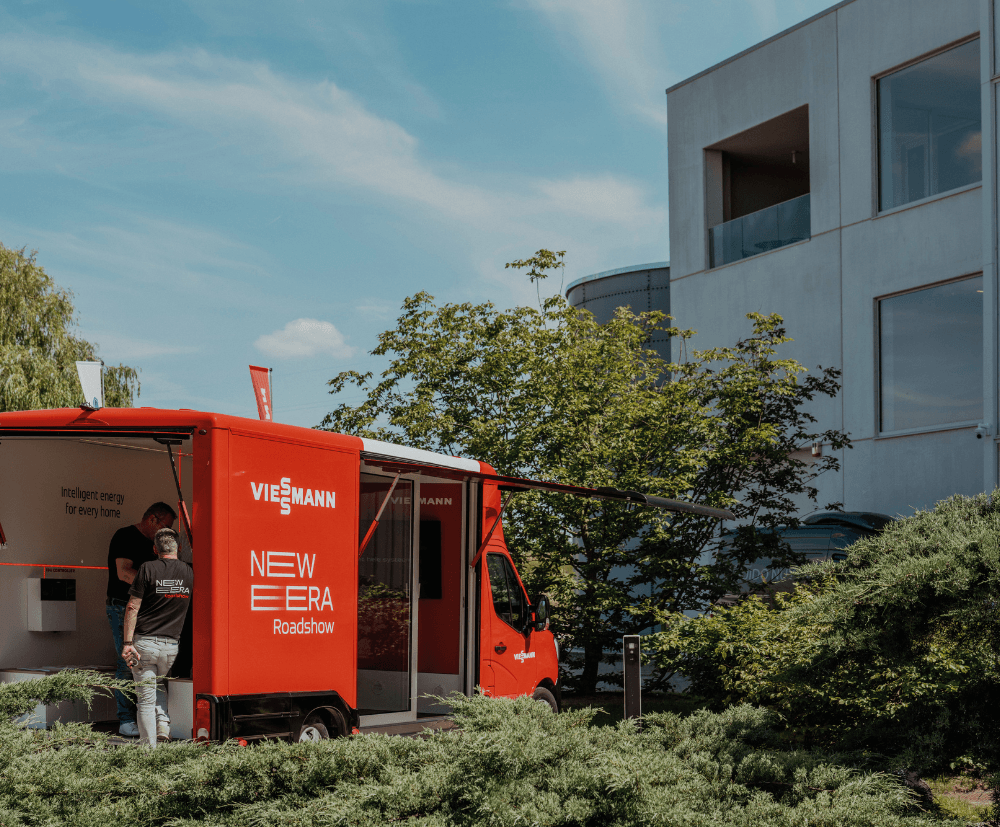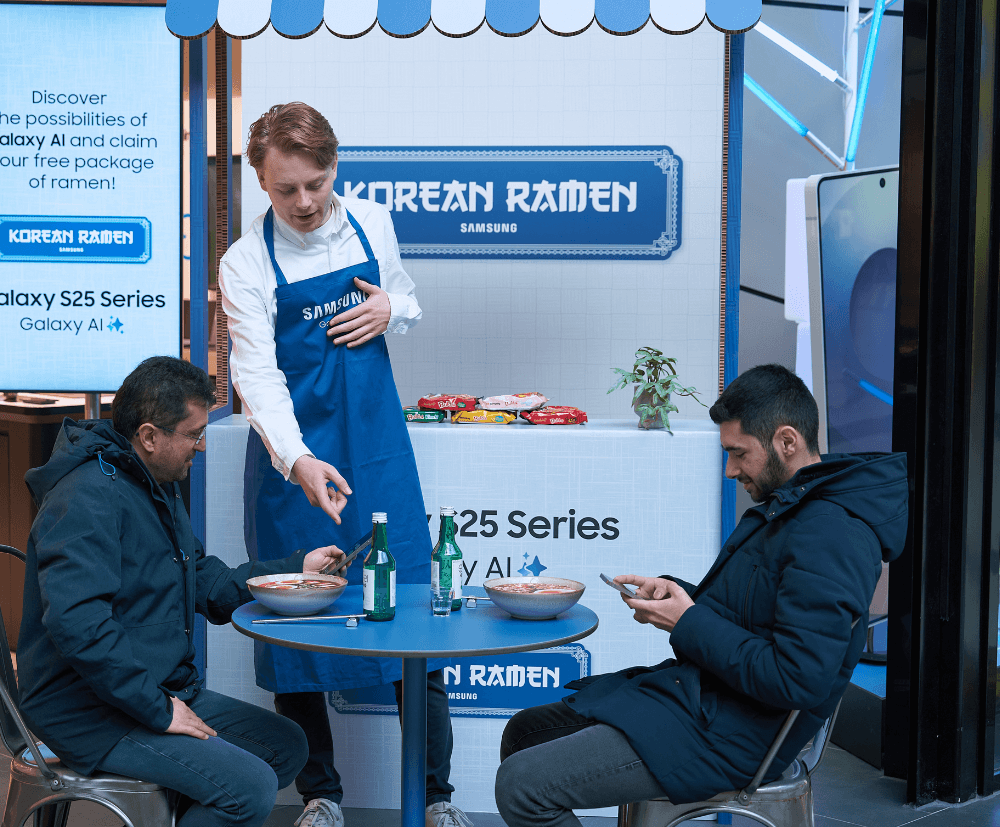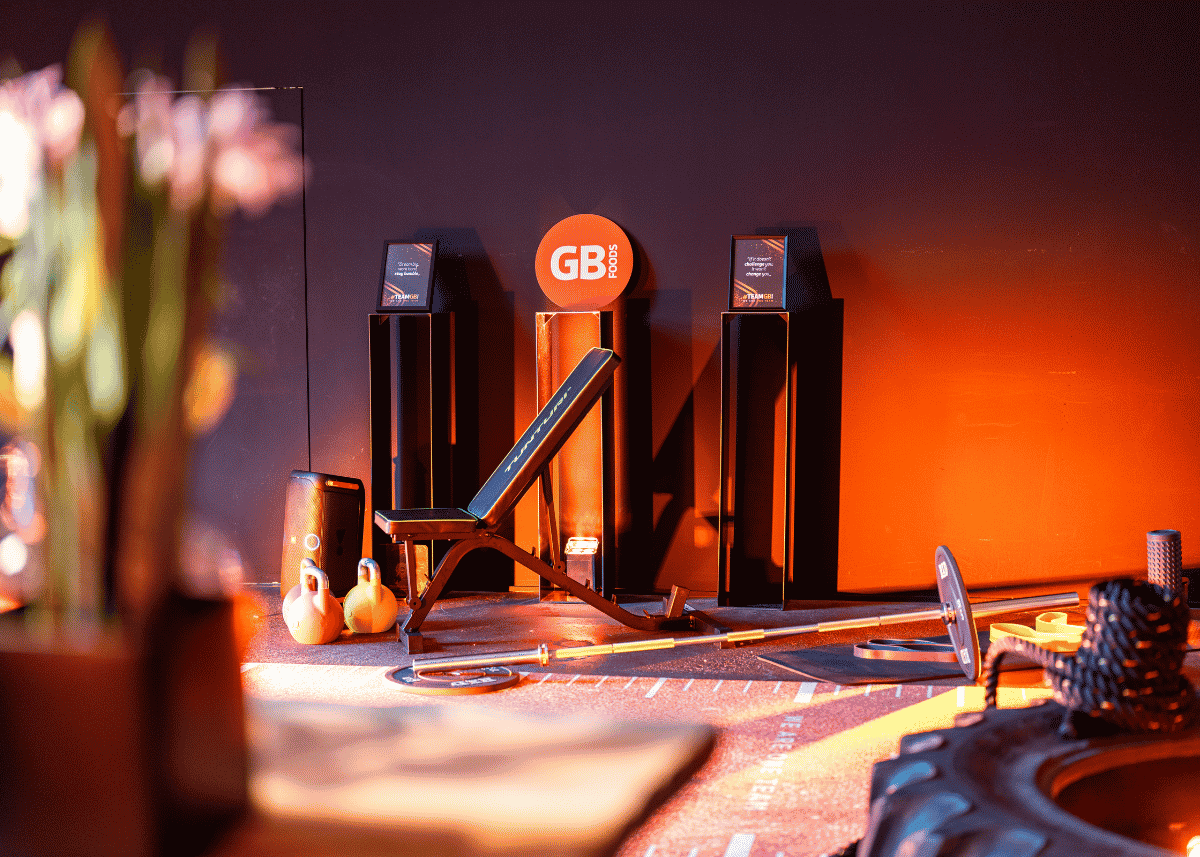
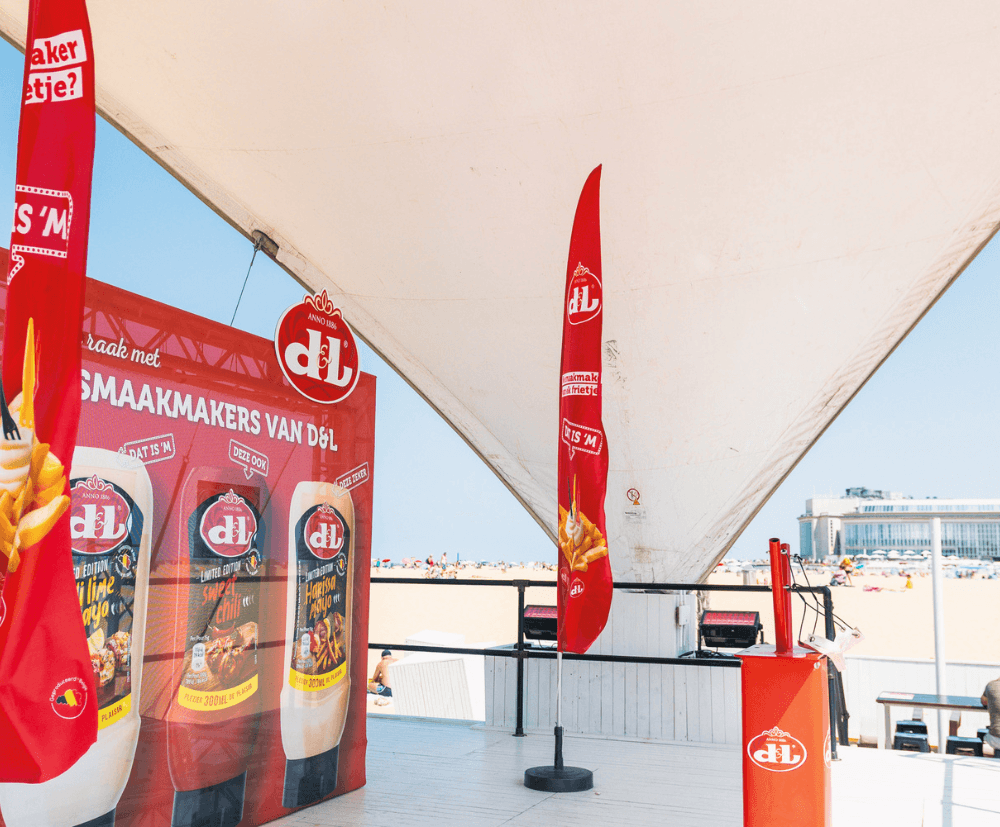
A logo instantly tells people which brand an activation belongs to. Yet a strong brand activation should remain recognisable even without one. Its concept, the interactions and the part the audience is invited to play should communicate what the brand stands for. The central idea, the way people engage and their role within the experience should all feel true to the brand.
This level of recognition comes from aligning the brand’s identity with what matters to its target audience and what the activation is designed to achieve. Giving people the opportunity to discover a product, for example, calls for a different approach than changing their perception of a brand or encouraging them to join a conversation.
As a live marketing and events agency, we translate these choices into a brand activation that brings the brand story to life throughout the entire experience. The logo confirms the brand’s identity, but it should not be the only clue as to who is behind the activation.
A format is not a concept
A photobooth, quiz, game or pop-up might be part of a brand activation, but choosing a format does not give you a concept. Without a clear connection to the brand, the experience may be enjoyable, but it could just as easily belong to someone else.
A concept starts by defining what the interaction needs to achieve. Should it invite people to explore a product? Spark a conversation? Prompt a review, a social media share or the next step towards a purchase?
The format should follow the idea, rather than the other way around. A popular activation format only becomes effective when it feels like a natural fit for that specific brand and its target audience.

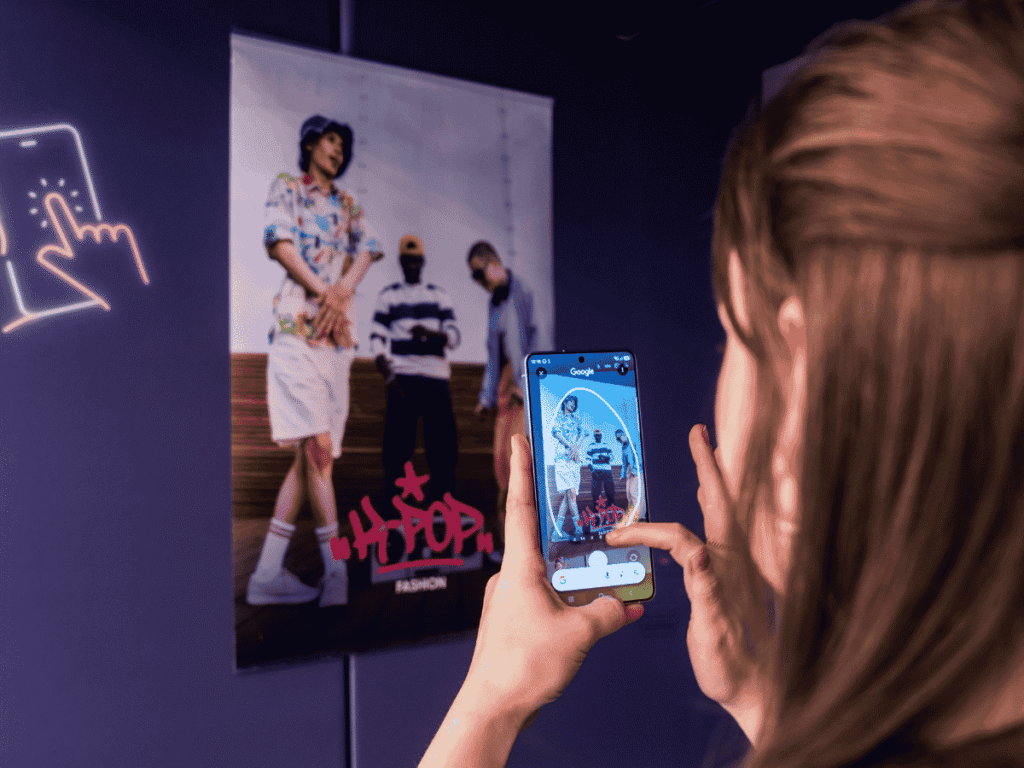
A brand activation turns the audience from passive recipients into active participants. Through interaction, people are free to explore the brand in a way that feels personal to them.
Taking part should feel intuitive and relevant. People need to understand straight away what they are being invited to do and why it is worth their time. A personalised outcome, the chance to try a product, a shareable moment or an incentive can encourage participation, provided it serves the purpose of the activation.
Interaction then becomes a tangible expression of the brand promise, rather than a gimmick added for effect. Instead of simply telling people what makes a product or brand special, you give them the opportunity to experience it for themselves.
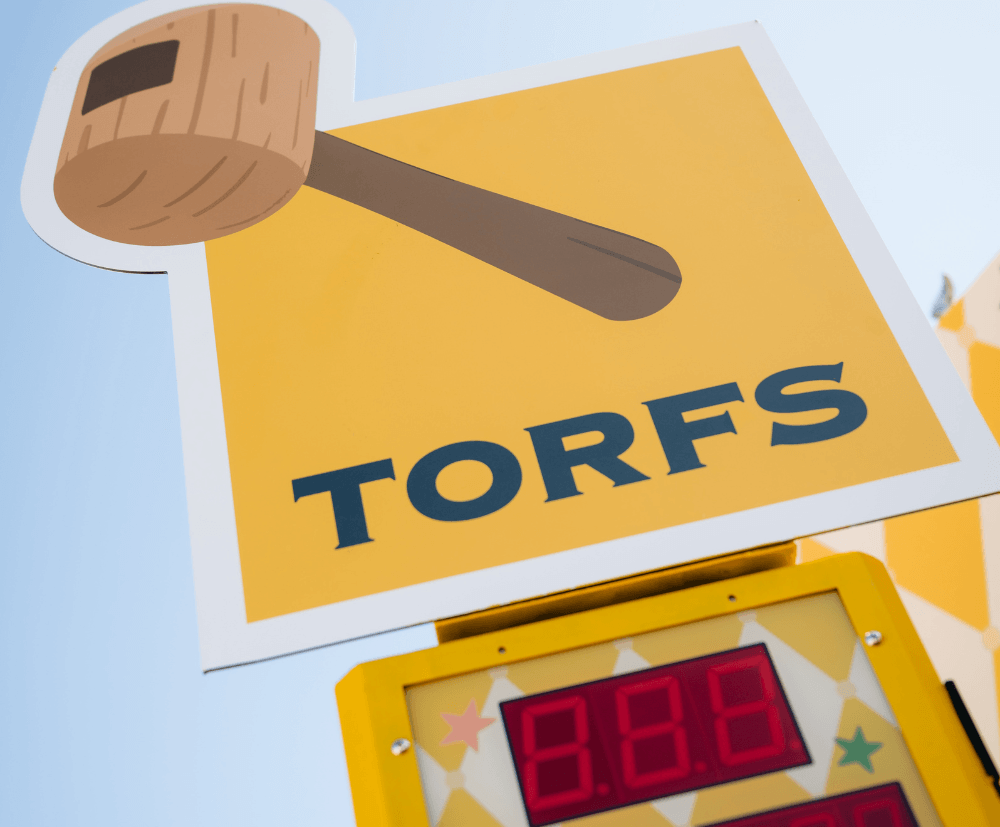
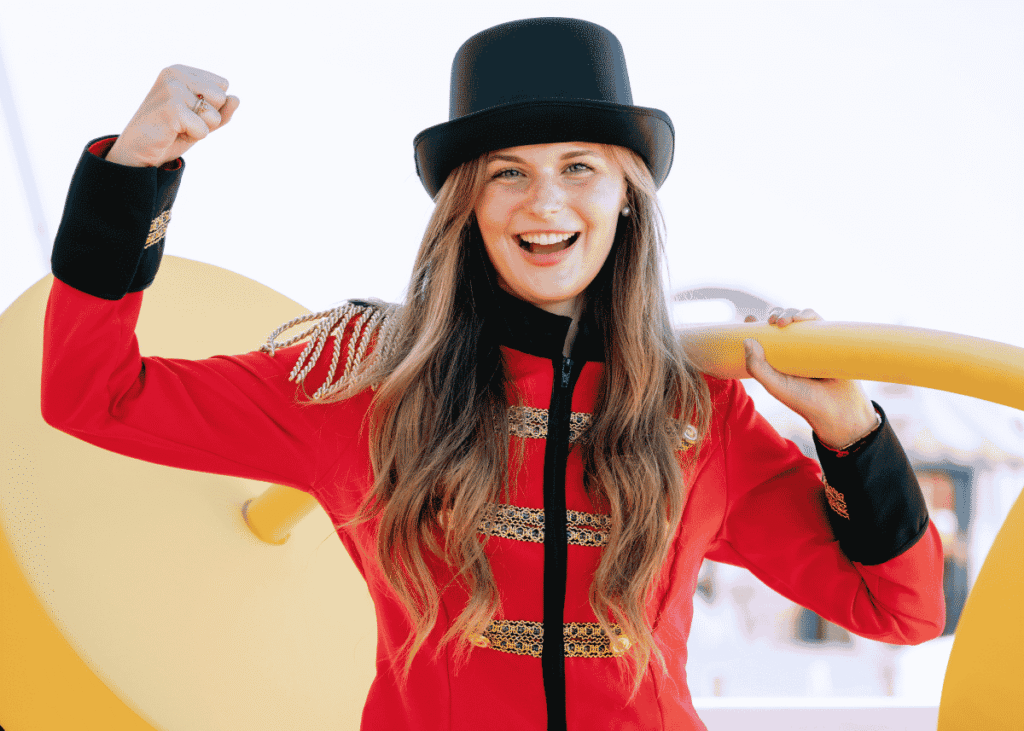
A brand activation is always shaped by the setting in which it takes place. At the Circus Camille village, three elements came together for Torfs: the ‘Beresterk in je schoenen’ campaign, a young audience and the playful atmosphere of the circus.
Whisk brought these worlds together through a series of fairground games. Visitors used a catapult to launch a shoe and aim for the highest score, tested their strength on the high striker and posed with oversized weights. The circus bear tied the experience together as a recognisable character and became the prize visitors received after taking part.
Every detail reflected the campaign, including the challenges and the circus bear visitors took home. ‘Beresterk in je schoenen’ appeared throughout the activation as something people could experience for themselves.
A strong activation concept does not have to be limited to a single moment. Once a clear creative thread has been established, the idea can be adapted for a different audience or touchpoint while remaining recognisable.
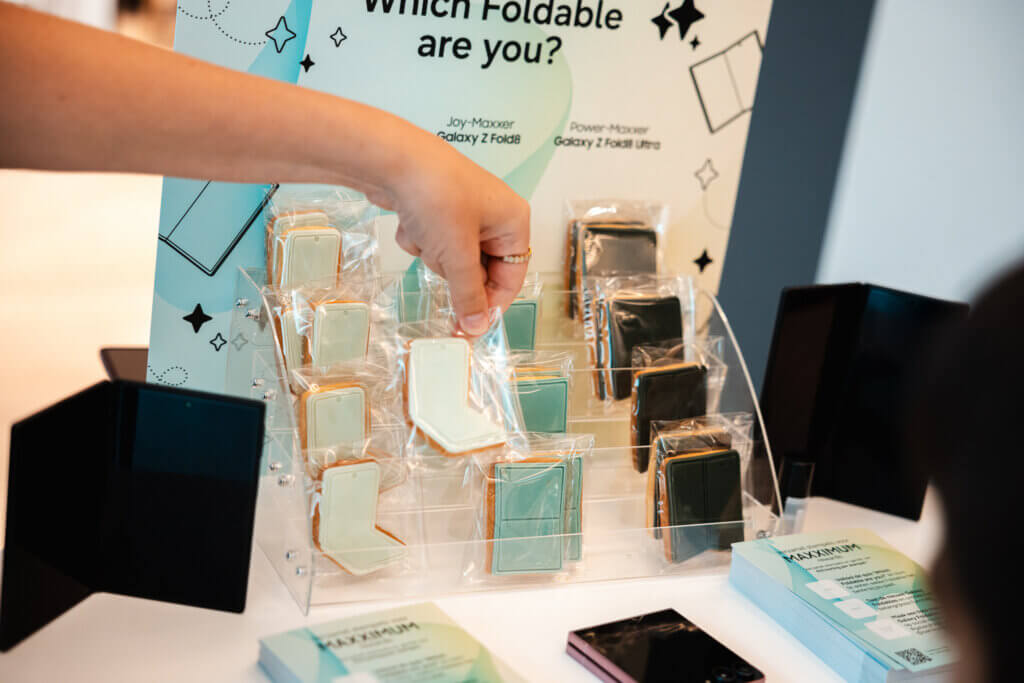
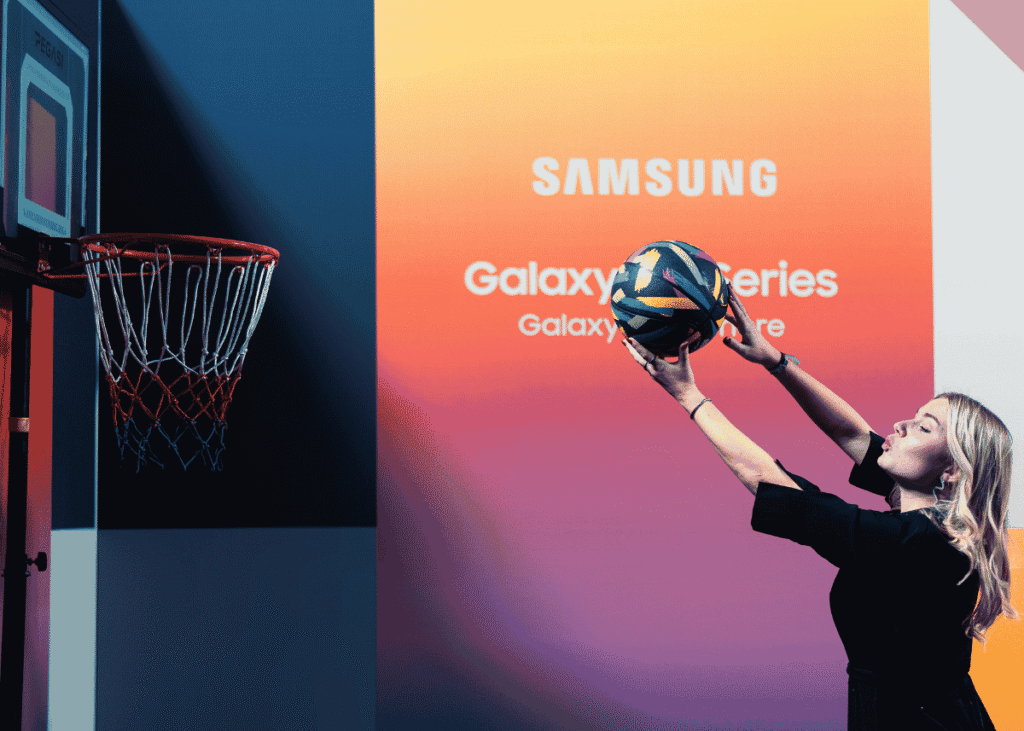
At Samsung’s Unpacked event, The Maxxing Games brought the new foldable devices into their own distinctive world. The Vibe Maxxer, Power Maxxer and Joy Maxxer profiles helped guests discover which device suited them best. Product demonstrations, challenges and a game show allowed them to experience the different features first-hand.
We then brought the same concept to the Samsung Experience Stores. Consumers completed the profile quiz, tried the devices and joined a photo activation. The experience was adapted to suit the retail environment, with clear links to reviews, social sharing and pre-orders. Throughout it all, the Maxxing profiles remained the concept’s recognisable thread.
Brands often describe themselves as innovative, reliable, accessible or surprising. During a brand activation, however, displaying those words prominently on a wall is not enough. The concept should give visitors the opportunity to reach that conclusion for themselves.
That is why we translate a brand promise into a tangible experience. Innovation becomes something people can explore, ease of use becomes something they can test first-hand and expertise becomes something they can see in action. This gives a claim the proof it needs without having to repeat it at every turn.
A strong brand activation goes beyond telling people what a brand stands for. It allows them to experience it for themselves, making the message far more memorable.
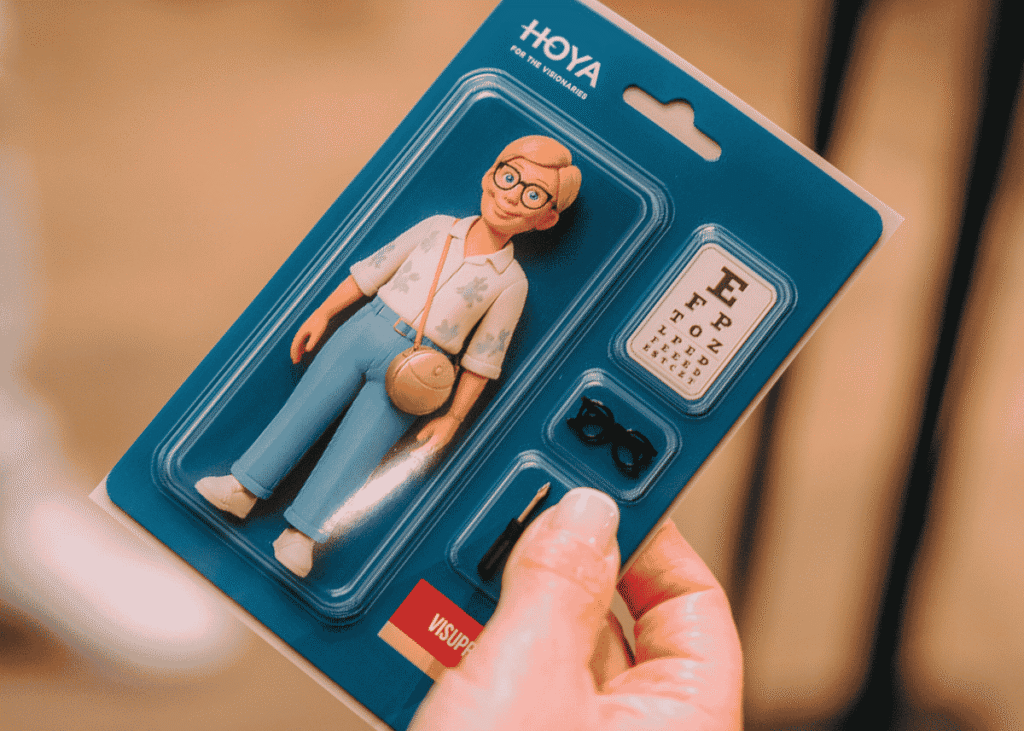
The value of a brand activation extends beyond what happens in the moment. A clearer understanding of a product, a shift in brand perception, content people want to share or the next step towards a purchase: an activation can continue to drive action long after it ends.
That is why, at Whisk, we consider what visitors will take away from the experience from the earliest stages of concept development. This might be a tangible reward, a personalised result, a new product preference, a shareable moment or a reason to seek out the brand again.
In this way, a brand activation becomes a considered part of the wider marketing strategy. That is the power of live marketing: a brand truly comes to life when people become part of it.
Live marketing isn’t about simply organizing something. It’s about feeling a brand, experiencing a message and anchoring an emotion. Because let’s be honest: that’s what truly sticks. And that’s exactly what we stand for.